Clean energy financing solutions

Have your say on how green energy activities are defined for New Zealand.

Consultation on the NZ Taxonomy Energy sector draft criteria is open until 10 July, 5pm NZT

Despite its renewable electricity, New Zealand has urgent energy system challenges

New Zealand faces tightening energy supply, driven by declining gas reserves, putting increasing pressure on households and businesses. As fuel constraints and infrastructure costs drive up electricity and gas prices, energy-intensive businesses face rising operating costs, reduced global competitiveness and an increased risk of closure.

Families may also experience greater energy hardship, struggling to afford heating, hot water and everyday electricity.

Uncertainty over future energy availability and prices discourages investment and long-term planning, widening inequities as only the most resilient households and businesses can absorb the shocks.

A significant opportunity to strengthen New Zealand’s energy system and resilience lies in adopting new energy technologies. However, many households and businesses struggle to understand which options are right for them or how to finance the transition. Making finance easier, faster and simpler will accelerate the shift from fossil fuels to abundant, reliable and affordable energy.

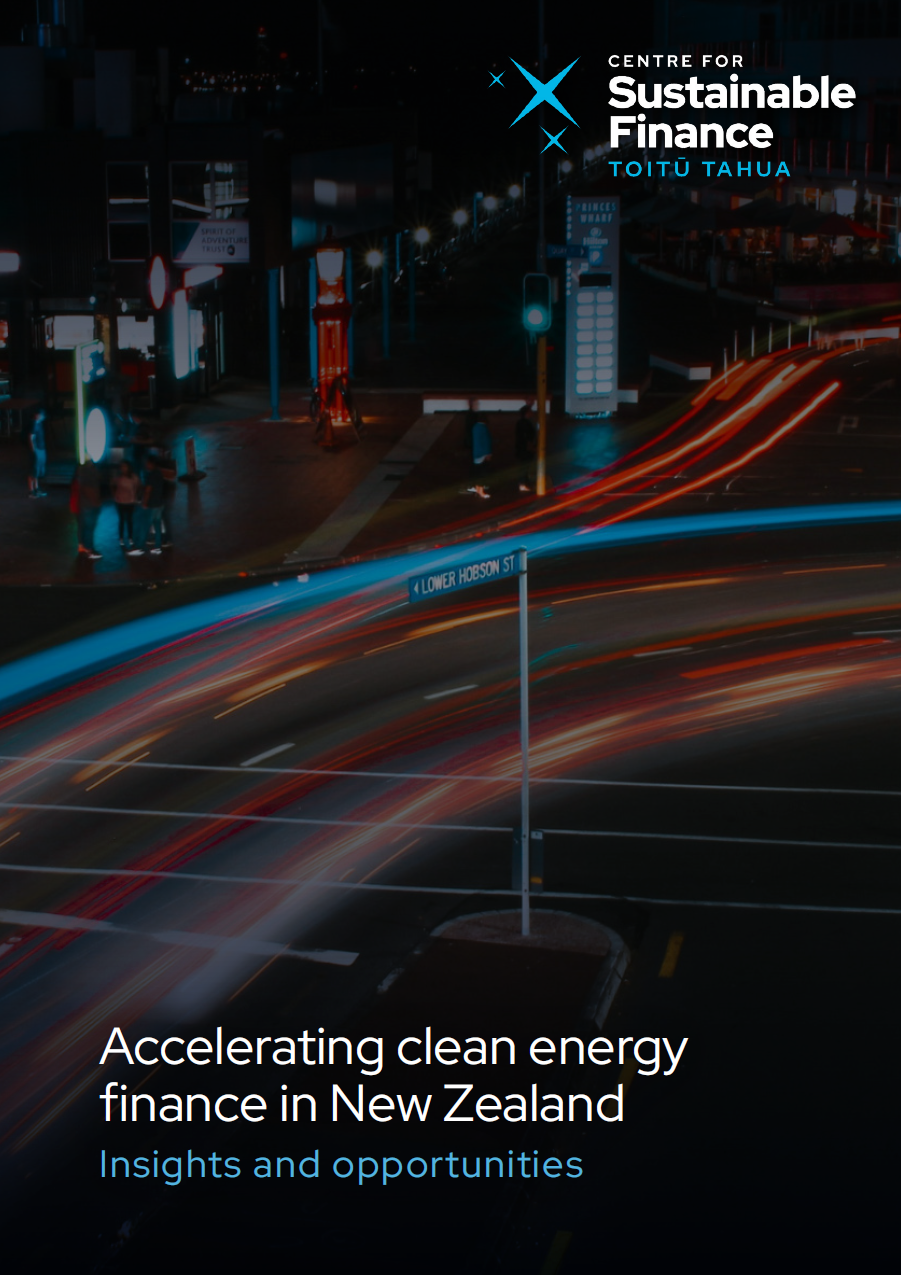
We identified barriers and opportunities for financing New Zealand’s transition to low-emissions technologies.

Addressing these barriers will accelerate and scale capital into energy projects.

Through deep and wide engagement with experts across energy, finance, industry, policy and technology, we canvassed solutions ranging from policy and regulation, market-based mechanisms, market facilitation, business support, financial instruments, and capability and awareness building.

We designed financing solutions

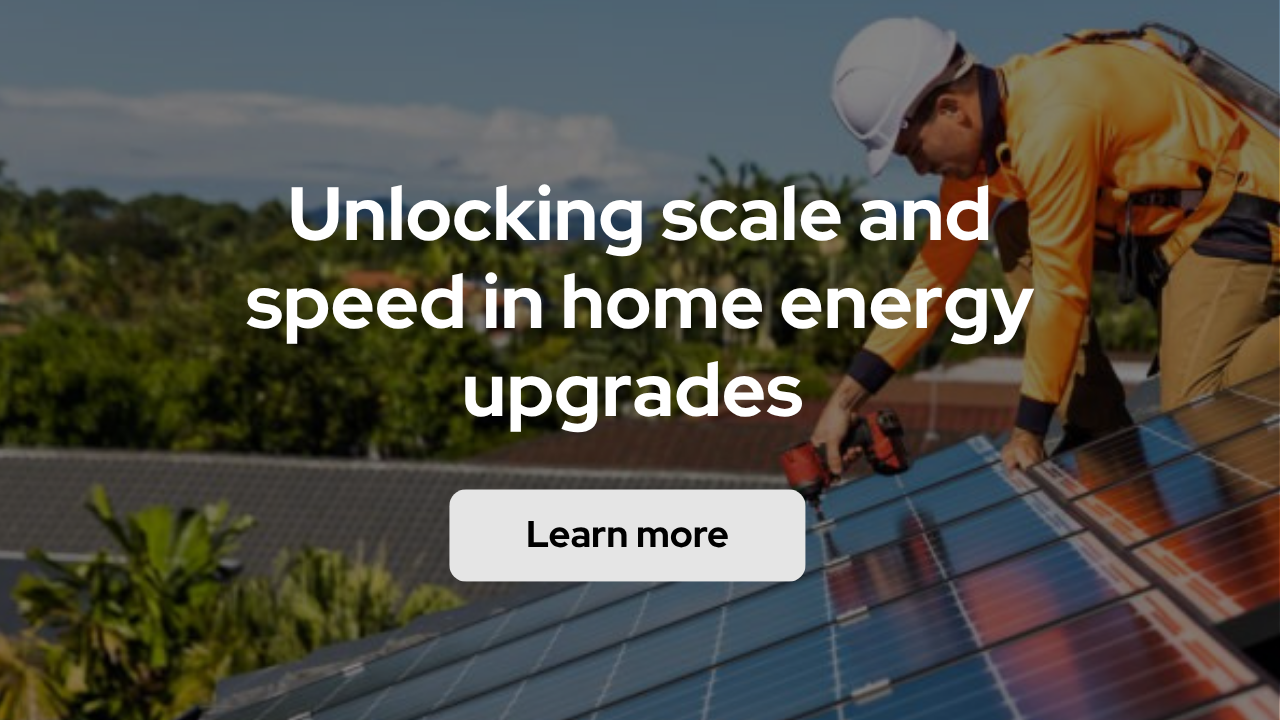
We worked with our partners to accelerate fuel switching for gas-powered industrial businesses, and unlock scale and speed in home energy upgrades.

Fuel switching for gas-powered industrial businesses

The challenge

Industrial businesses using gas for energy accounted for around 36% of New Zealand’s gas consumption in 2024. As domestic gas supplies decline, energy security and affordability are becoming critical challenges for many businesses.

Despite these pressures, many businesses are delaying investment because they are uncertain about whether, when and how to switch fuels and how to fund fuel switching projects. This is due to a combination of:

  • The marginal economic upside and long payback periods associated with fuel switching projects vs. current financial performance.
  • The substantial investment requirements, with the subdued economic environment creating uncertainty.
  • Relatively small project sizes which can shut out attractive capital pools e.g. institutional investors as well as make transaction costs financially impractical to justify, noting that projects are often complex.
  • A lack of coherent, long-term government policy which disincentives investment and increases the cost of capital.
  • An underutilisation of the technical expertise that exists, and a lack of transparency with regards to future energy costs and availability, which if solved would better enable informed investment decisions

Supporting industrial businesses to undertake fuel switching projects is necessary to prevent deindustrialisation, safeguard jobs, strengthen communities, and support regional growth. Moving fossil-fuelled activity to electricity (or low-carbon alternatives) also delivers significant decarbonisation benefits, given New Zealand’s already highly renewable electricity system.

At the same time, increasing demand for electricity and biomass will provide strong investment signals for renewables developers as well as the biomass supply chain industry, stimulating growth.

The opportunity

There are substantial investment opportunities – both in directly financing fuel-switching projects and in supporting the expanded renewable energy and biomass supply required to meet new demand. Fuel switching for gas-powered industrial sites alone is expected to require several billion dollars of investment, with hundreds of facilities needing to transition.  

Taking learnings from previous finance schemes, such as the Business Finance Guarantee Scheme, the Community Housing Provider Loan Guarantee Scheme and the GIDI fund, the Government can effectively utilise private sector financial infrastructure and expertise to amplify the use of public capital. Leveraging the insights and expertise from EECA in parallel, a coherent, coordinated approach can target the lowest friction / lowest cost sites, enabling cost-effective gas preservation so it remains available for activities where commercially available technology options don’t exist. 

Related materials

What we did

We worked with our partners, including government agencies, crown entities and major financial institutions, to explore options for mobilising private capital to enable industrial businesses to access fit-for-purpose finance, appropriately tailored to fuel switching projects. 

We believe that the private sector can play the central role, however the barriers present mean that government support is required and would be catalytic. We assessed finance solution options to identify how public capital can be utilised with greatest efficiency and effectiveness. Read our reccomendations paper here.

In December 2025, CSF submitted an indicative business case to the Minister of Climate Change to inform the policy process. In May 2026, the Government announced a Crown guarantee for gas fuel-switching, reflecting elements of this work. 

Read our recommendations paper

The paper assesses novel blended finance options to unlock private capital for accelerating fuel switching projects, including loans and government-backed debt guarantees. It presents prioritised solution options and implementation considerations to leverage public capital effectively.

Unlocking scale and speed in home energy upgrades

Background

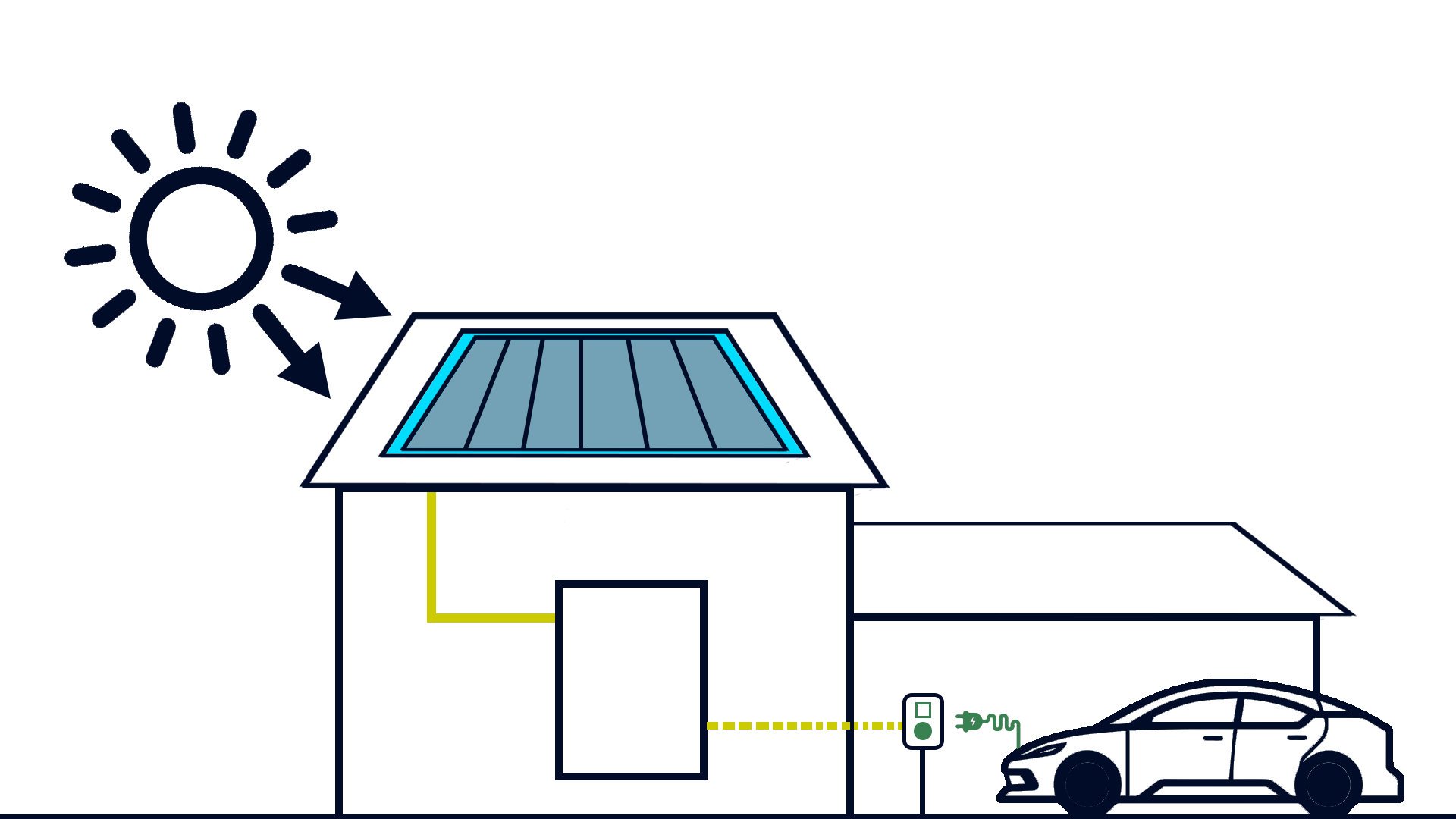
Many households aren’t investing in cost-saving energy upgrades – such as heat pumps and solar panels – despite the ever-improving economics associated with such investments, as well as the enhanced energy independence and resilience they can deliver.

Our research suggests that these decisions can feel complex, the technology unfamiliar, and it can be hard to know where to turn for clear, trusted information or reliable providers.

Residential properties account for around 15% of New Zealand’s total emissions, so improving how we use power in our lives is an important part of meeting national climate goals.

lock ups (3)

The opportunity

Our analysis shows that home energy-upgrade investments could exceed $15bn in the coming years. 

Consistent, clear and trusted information is a key enabler to consumer confidence in decision making. A shared foundation of information in targeted areas – a ‘single source of the truth’ – would ensure that customers can trust what they’re being presented with, including in areas such as cost savings and payback information. This shared foundation would ensure customers receive consistent, trustworthy information across platforms and providers. 

To support a more consistent, coordinated and customer-focused energy upgrade environment, we propose that shared foundations be developed in the following areas: 

  • Core assumptions and data for savings calculations 
  • Information on technology and appliances 
  • Information on installation 
  • Presentation of finance and return-on-investment information 

With improved access to reliable tools and greater confidence in energy upgrade decisions, more households could be empowered to invest.

What we did

CSF has engaged with financial institutions to develop best practice guidance on key aspects of the return-on-investment calculation within energy upgrade calculators. 

Further, we are encouraged to see partners such as EECA progressing work in this space through its solar installer accreditation programme and  approved solar products list, as well as its existing EV Smart Charger Approved List.

Alongside the coordinated development of an enhanced informational environment, we are encouraged by the innovation taking place in the wider ecosystem. The proposed Ratepayers Assistance Scheme has the potential to open up low-cost solar finance to more homeowners, and solar developer Lodestone Energy is exploring a novel electricity retail business model to bring solar energy to more communities.

These initiatives, amongst others, shows a concerted, system wide focus on accelerating uptake of residential energy solutions, directly and indirectly, and CSF is pleased to have been a catalytic component on some of this work.

Increasing uptake of low-cost home energy loans

Background

Households desire to upgrade – but this growing demand hasn’t converted into adoption yet. Despite some very competitive loan products designed to support energy upgrades, many more households could yet be benefitting from lower energy bills. 

CSF research has  identified several reasons for this, and we will soon publish our findings. 

Residential Electrification

The opportunity

Our analysis shows that home energy-upgrade investments are set to exceed $15bn in the coming years.  

Consistent, clear and trusted information is a key enabler to consumer confidence in decision making. A shared foundation of information in targeted areas – a ‘single source of the truth’ – would ensure that customers can trust what they’re being presented with, including in areas such as price, cost savings and payback information. This shared foundation would ensure customers receive consistent, trustworthy guidance across platforms and providers, while allowing each provider to tailor engagement to their own business models and capabilities. 

To support a more consistent, coordinated and customer-focused energy upgrade environment, we propose that shared foundations—reliable, consistent reference points—be developed in the following areas: 

  • Core assumptions and data for savings calculations 
  • Information on appliances 
  • Information on installation 
  • Presentation of finance and return-on-investment information 

With improved access to reliable tools and greater confidence in energy upgrade decisions, more households could be empowered to invest. 

What are we doing about it?

CSF is now working with stakeholders across the energy and finance sectors to explore optimal progression paths for the recommendations. 

Read our papers on novel financing solutions for clean energy.

September 2025

PDF

Read our submission on the case for blended finance to support gas-powered businesses to fuel-switch

In December 2025 CSF submitted an indicative business case to the Minister of Energy, Local Government and Climate Change, Hon. Simon Watts. We outlined the market failures preventing commercial and industrial gas users from switching to other fuels, and the strategic, economic and financial opportunity for New Zealand of targeted government support. 

Hear more from Andy O’Hare, our Head of Strategy & Financial Solutions.

Subscribe

Enter your name and email address to subscribe.

Close

About

Our Work

Current Work

Past Work

News and resources

Resources