Clean energy financing solutions

Despite its renewable electricity, New Zealand has urgent energy system challenges

New Zealand faces tightening energy supply – driven by depleted gas reserves – putting real pressure on households and businesses. As fuel constraints, along with infrastructure costs, push electricity and gas prices higher, businesses – particularly those that are energy-intensive – face rising operating costs, reduced global competitiveness and increased risk of closure.

Families may experience greater energy hardship — struggling to afford heating, hot water, and everyday power needs.

Uncertainty around future energy availability and price also discourages investment and long-term planning, amplifying inequities as only the most resilient or well-resourced households and firms can absorb the shocks.

A significant opportunity for strengthening New Zealand’s energy system and resilience lies in transitioning to new energy technology, but many businesses and households struggle to understand which choices to make, and how to pay for them. Making financing easier, faster and simpler will accelerate the transition for households and businesses from fossil fuels to abundant, reliable, affordable energy.


We are developing financing solutions

In 2024/25 we identified key barriers and opportunities for financing New Zealand’s transition to low-emissions technologies. Addressing these barriers will accelerate and scale capital into energy projects.

Through deep and wide engagement with experts across energy, finance, industry, policy and technology, we canvassed solutions ranging from policy and regulation, market-based mechanisms, market facilitation, business support, financial instruments, and capability and awareness building.

We are working with our partners to accelerate:

Fuel switching for gas-powered industrial businesses

The challenge

Industrial businesses using gas for energy purposes consumed ~36% of gas in New Zealand in 2024. The worsening gas supply shortage is intensifying energy security and energy equity pressures for businesses powered by gas — pressures that are existential for many.

However, despite the increasing pressures, businesses are still struggling to understand their choices (why, when, how to fuel switch), delaying or deprioritising investment decisions, and are unsure how to fund fuel switching projects. This is due to a combination of:

  • The marginal economic upside and long payback periods associated with fuel switching projects vs. current financial performance.
  • The substantial investment requirements, with the subdued economic environment creating uncertainty.
  • Relatively small project sizes which can shut out attractive capital pools e.g. institutional investors as well as make transaction costs financially impractical to justify, noting that projects are often complex.
  • A lack of coherent, long-term government policy which disincentives investment and increases the cost of capital.
  • An underutilisation of the technical expertise that exists, and a lack of transparency with regards to future energy costs and availability, which if solved would better enable informed investment decisions

Supporting industrial businesses undertake fuel switching projects is necessary to prevent deindustrialisation, safeguard jobs, strengthen communities, and support regional growth. Moving fossil-fuelled activity to electricity (or low-carbon alternatives) also delivers significant decarbonisation benefits, given New Zealand’s already highly renewable electricity system.

At the same time, increasing demand for electricity and biomass will provide strong investment signals for renewables developers as well as the biomass supply chain industry, stimulating growth.

The opportunity

There are substantial investment opportunities – both in directly financing fuel-switching projects and in supporting the expanded renewable energy and biomass supply required to meet new demand. Fuel switching for gas-powered industrial sites alone is expected to require several billion dollars of investment, with hundreds of facilities needing to transition.  

Taking learnings from previous finance schemes, such as the Business Finance Guarantee Scheme, the Community Housing Provider Loan Guarantee Scheme and the GIDI fund, the Government can effectively utilise private sector financial infrastructure and expertise to amplify the use of public capital. Leveraging the insights and expertise from EECA in parallel, a coherent, coordinated approach can target the lowest friction / lowest cost sites, enabling cost-effective gas preservation so it remains available for activities where commercially available technology options don’t exist. 

Related materials

  • Boston Consulting Group ‘Energy to Grow’ report
  • Gas users working group report
  • Business desk article on Optima reports  
  • RNZ article on the need for a national energy strategy and novel financing

What are we doing about it?

We are working with our partners, including the government agencies, crown entities and major financial institutions, to explore options for mobilizing private capital to enable industrial businesses to access fit-for-purpose finance, appropriately tailored to fuel switching projects. 

We believe that the private sector can play the central role, however the barriers present mean that government support is required and would be catalytic. We have assessed three finance solution options to identify how public capital can be utilised with greatest efficiency and effectiveness. 

  • Government Grants – biggest impact at a project level, however greatest reliance on public finance and reduced ability to scale. 
  • Government Debt Contribution – can positively impact business cashflows and cost of capital; public funds recovered however real capital tied up. 
  • Government Debt Guarantee – lower direct impact however can reduce cost of capital; very fiscally efficient and requires minimal up-front public capital. 

Watch our video outlining the options:

Read our recommendations paper

The paper assesses novel blended finance options to unlock private capital for accelerating fuel switching projects, including loans and government-backed debt guarantees. It presents prioritised solution options and implementation considerations to leverage public capital effectively.

Consistent information for household energy upgrades

Background

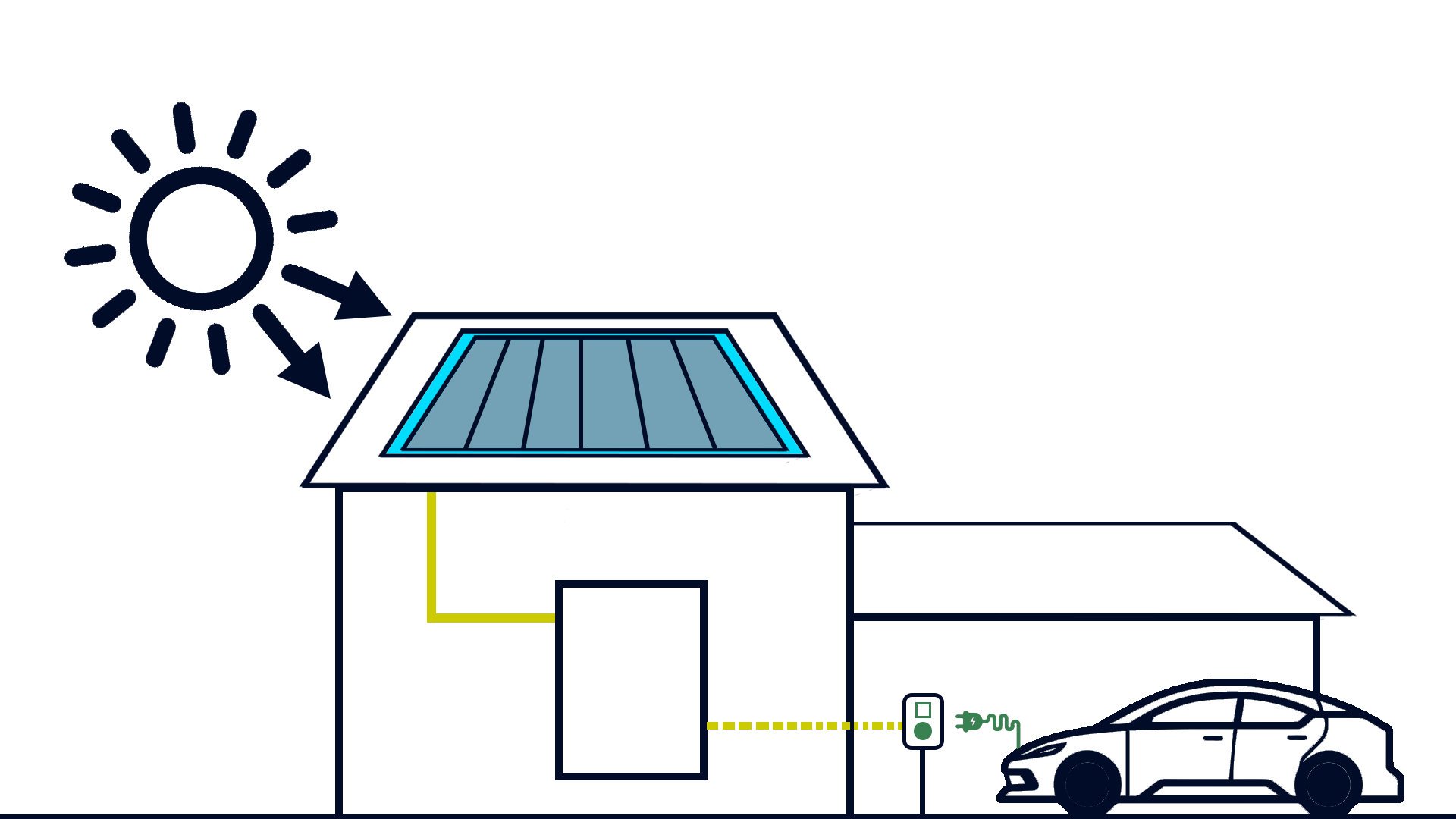
Many households aren’t investing in cost-saving energy upgrades – such as heatpumps and solar panels – despite homeowners increasingly wanting to protect themselves from rising energy costs and strengthen their own energy resilience. 

Our research suggests that these decisions can feel complex, the technology unfamiliar, and it can be hard to find clear, trusted information or reliable providers. 

Residential properties account for around 15% of New Zealand’s total emissions, so improving how we use power in our lives is an important part of meeting national climate goals. 

Untitled design (15)

The opportunity

Our analysis shows that home energy-upgrade investments are set to exceed $15bn in the coming years.  

Consistent, clear and trusted information is a key enabler to consumer confidence in decision making. A shared foundation of information in targeted areas – a ‘single source of the truth’ – would ensure that customers can trust what they’re being presented with, including in areas such as price, cost savings and payback information. This shared foundation would ensure customers receive consistent, trustworthy guidance across platforms and providers, while allowing each provider to tailor engagement to their own business models and capabilities. 

To support a more consistent, coordinated and customer-focused energy upgrade environment, we propose that shared foundations—reliable, consistent reference points—be developed in the following areas: 

  • Core assumptions and data for savings calculations 
  • Information on appliances 
  • Information on installation 
  • Presentation of finance and return-on-investment information 

With improved access to reliable tools and greater confidence in energy upgrade decisions, more households could be empowered to invest. 

What are we doing about it?

CSF is now working with stakeholders across the energy and finance sectors to explore optimal paths for progressing the recommendations. 

Increasing uptake of low-cost home energy loans

Background

Households desire to upgrade – but this growing demand hasn’t converted into adoption yet. Despite some very competitive loan products designed to support energy upgrades, many more households could yet be benefitting from lower energy bills. 

CSF research has  identified several reasons for this, and in the new year we will publish our guidance. 

Residential Electrification

The opportunity

Our analysis shows that home energy-upgrade investments are set to exceed $15bn in the coming years.  

Consistent, clear and trusted information is a key enabler to consumer confidence in decision making. A shared foundation of information in targeted areas – a ‘single source of the truth’ – would ensure that customers can trust what they’re being presented with, including in areas such as price, cost savings and payback information. This shared foundation would ensure customers receive consistent, trustworthy guidance across platforms and providers, while allowing each provider to tailor engagement to their own business models and capabilities. 

To support a more consistent, coordinated and customer-focused energy upgrade environment, we propose that shared foundations—reliable, consistent reference points—be developed in the following areas: 

  • Core assumptions and data for savings calculations 
  • Information on appliances 
  • Information on installation 
  • Presentation of finance and return-on-investment information 

With improved access to reliable tools and greater confidence in energy upgrade decisions, more households could be empowered to invest. 

What are we doing about it?

CSF is now working with stakeholders across the energy and finance sectors to explore optimal progression paths for the recommendations. 

Development timeline

  • Oct 2024 to Feb 2025 – market engagement to identify barriers and opportunities for accelerated action by the financial sector. 
  • May 2025 – Commercial & Industrial (C&I) and Residential energy identified as priority subsectors for solution development. CSF and EECA (the Energy Efficiency and Conservation Authority) form partnership
  • Oct 2025 – System level financing solutions longlist developed and C&I fuel switching priority identified. 
  • Dec 2025 – Residential Energy Upgrades recommendations paper published.  
  • Dec 2025 – Business case for C&I demonstration project submitted. 
  • Feb 2025 – Finance recommendation implementation group formed. 
  • Mar 2026 – Establish coalition for C&I demonstration project implementation. 

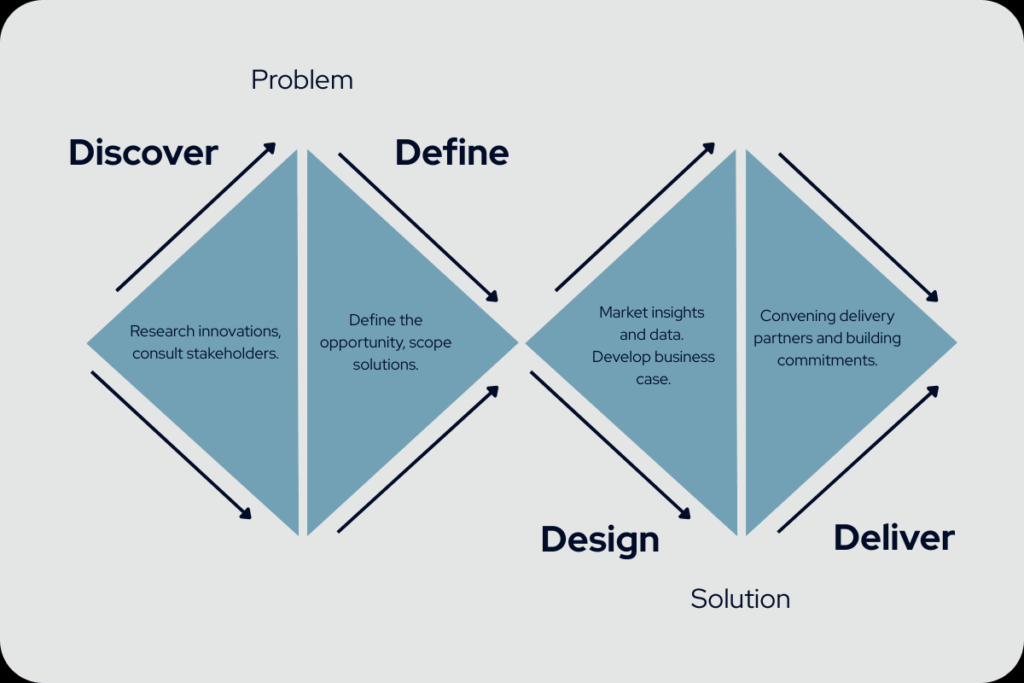
How we develop novel financing solutions.

*By subscribing to this list, you agree to receive updates from the Centre for Sustainable Finance on related projects and relevant events.

Energy sector developments

Read our papers on novel financing solutions for clean energy.

September 2025

PDF

Our approach  

CSF works with partners across government, civil society, and industry to identify and design novel financing solutions tailored to New Zealand’s transition priorities. With an initial focus on the energy sector, CSF helps catalyse demonstration projects and practical solutions by assessing financing gaps, convening stakeholders, and supporting the development of tools that align public resources with private investment. Through this collaborative approach, novel financing solutions can help build momentum, reduce risk, and accelerate progress toward an affordable, resilient, and low-emissions economy. 

In developing novel financing solutions, we follow a design thinking methodology to identify gaps and opportunities, taking in key learnings from sustainable finance centres in other jurisdictions.

Register for Updates on the NZ Taxonomy

*By subscribing to this list, you agree to receive updates from the Centre for Sustainable Finance on the NZ Taxonomy related projects and relevant events.

The Technical Expert Group

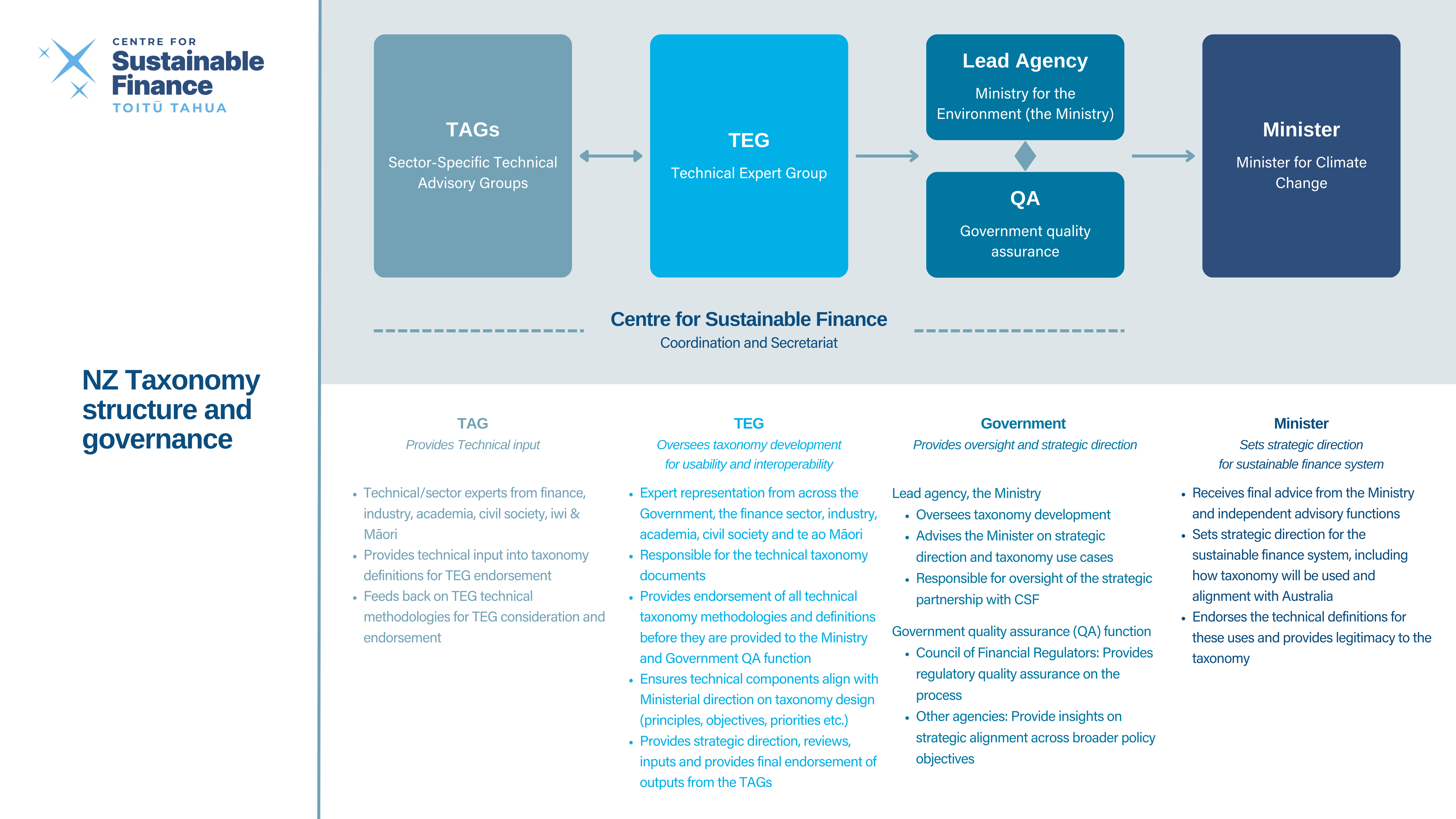
The Technical Expert Group (TEG) oversees the development of the NZ Taxonomy. It serves as an intermediary between the Technical Advisory Groups (TAGs), the lead agency, Ministry for the Environment (the Ministry), and the Government quality assurance function. The TEG offers strategic direction, input, and endorsement of all technical taxonomy methodologies and definitions, ensuring usability, interoperability and alignment with Ministerial direction on taxonomy design and that they are fit-for-purpose for NZ.

Technical Expert Group Members

TEG co-Chairs

  1. Andy Reisinger, Independent Climate Change Expert

  2. Pip Best, Partner – Climate Change & Sustainability Services, EY Oceania

TEG members

  1. Adam Coxhead, Head of Sustainable Finance, Bank of New Zealand

  2. Caroline Poujol, Director – Sustainable Finance (NZ), ANZ

  3. David Hall, Policy Director, Toha New Zealand

  4. David Woods, Independent

  5. Feng Hu, International Specialist, United Nations Environment Programme Finance Initiative (UNEP FI); Founder and Director, silkroad.earth

  6. Fonteyn Moses-Te Kani, Pou Tiaki – Director Māori Strategy & Indigenous Inclusion, Westpac New Zealand

  7. Greg Munford, Senior Investment Strategist – Sustainable Investment, New Zealand Superannuation Fund

  8. James Paterson, Head of Sustainable Finance, ASB

  9. Jeremie Madamour, Principal Advisor – Climate Change & Sustainability Reporting, External Reporting Board (XRB)

  10. Joanna Silver, Head of Sustainable Finance, Westpac New Zealand

  11. Jono Broome, Associate Director – Client Advisory APAC, Morningstar Sustainalytics

  12. Jorge Waayman, Manager – ESG Research, Harbour Asset Management

  13. Julia Langley, Managing Director – Switzerland & New Zealand, Green Wave Advisory

  14. June McCabe, Independent Director; Pou Tahua Representative, National Iwi Chairs Forum (NICF)

  15. Sean Fullan, Resilience and Recovery Manager, Insurance Council of New Zealand (ICNZ)

  16. Stefan Gray, Manager – Strategic Climate Initiatives, Reserve Bank of New Zealand (RBNZ)

Observer

  1. Allison Hancock, Partner, MinterEllisonRuddWatts

The Technical Advisory Groups

Technical Advisory Group (TAG) provides technical input into the methodologies and definitions of a sustainable finance taxonomy that is fit-for-purpose for NZ.

Agriculture & Forestry Technical Advisory Group (TAG) Members

TAG members

  1. Charles Taituha, Māori Strategy & Relationship Lead, Beef + Lamb New Zealand

  2. Dan Coup, Chief Executive, QEII National Trust

  3. Elizabeth Rose Heeg, Chief Executive, New Zealand Forest Owners Association (NZFOA); Chief Executive, Forest Growers Levy Trust

  4. Gavin Marshall, Sustainability Manager, Rabobank New Zealand

  5. Glenn Moir, Owner and Director, Forest Management Group; Chair, Canterbury West Coast Wood Council (CWCWC); Director, Forever Forests

  6. Graeme Doole, Science Group Manager – Ethical Agriculture, AgResearch

  7. Jacqui Aimers, Trustee, Tāne’s Tree Trust

  8. Jeff Ilott, Executive Director, New Zealand Timber Industry Federation (NZTIF); Chief Executive, New Zealand Timber Preservation Council

  9. Kevin Ihaka, Managing Director, Forest Protection Services Trust, FPS Geospatial, FPS Forestry

  10. Klaeri Schelhowe, Founder and Managing Director, Scheddebrock

  11. Lee Matheson, Principal Consultant and Managing Director, Perrin Ag Consultants

  12. Manu Caddie, Co-Founder and Managing Director, Matawai Bio; Founder and Managing Director, IO Ltd; Managing Director, Hikurangi Bioactives LP; Managing Trustee, Kānuka Charitable Trust

  13. Marcus Bousfield, Regional Manager – Business, ANZ

  14. Peter Savage, Director – Sustainable Finance, BNZ

  15. Phil Wiles, Senior Manager – Climate Risk, Kiwibank

  16. Roger Dungan, General Manager – Strategic Partnerships & Communication, Scion

  17. Scott Burnett, Regional Conservation Manager and Climate & Forestry Advocacy Lead, Forest & Bird

  18. Simon Love, Head of Sustainability Assurance, AsureQuality

  19. Stuart Taylor, General Manager – Farming, Craigmore Sustainables

  20. Terina Williams, Senior Investment Strategist – Sustainable Investment, New Zealand Superannuation Fund

  21. Turi McFarlane, Head of Rural Sustainability, ASB

Observer

  1. Kevin Prime, Beef Farmer, Forester, Beekeeper and Conservationist; Former Environment Court Commissioner

NZ Taxonomy Structure and Governance

Frequently asked questions

What is a sustainable finance taxonomy?

A green or sustainable finance taxonomy is a standardised framework for classifying economic activities according to their environmental performance. This classification system allows investors to identify and invest in green activities while avoiding those that cause significant harm to the environment.

It helps to align investment decisions with environmental objectives and to avoid assets that are not aligned with the goals of the Paris Agreement. It can also direct capital flows towards new green technologies and increase the overall transparency of the financial sector through more transparent reporting.

Why does NZ need a sustainable finance taxonomy?

An Aotearoa New Zealand Sustainable Finance Taxonomy (NZ Taxonomy) provides recognisable definitions that can be used by investors and capital providers looking to make investments into the global transition to a low emissions economy. 

Over 40 jurisdictions are developing taxonomies. NZ’s approach is to closely align to the Australian Taxonomy, adapting international definitions to fit our business, legal and policy environment. Being an importer of capital, these definitions need to be recognisable, credible and relevant to investors, while being applicable and suitable in the NZ context. 

A common language and approach is preferable to individual organisations creating their own definitions. The standardisation will reduce friction and accelerate the pace and scale of capital flow towards better outcomes. 

While taxonomies don’t provide a complete solution, they are vital tools that financial institutions and Government can use to direct capital towards more sustainable outcomes. 

Taxonomies offer broader benefits – they help prevent greenwashing, guide Government incentives, attract international green capital, and align with key trading partners’ regulations/standards. 

Why can’t NZ just use the international ones from Europe or Australia?

The NZ Taxonomy prioritises interoperability and harmonisation with global standards. It will be closely aligned to the Australian approach, which also follows the principle of ensuring credibility and harmonisation.

What is the role of CSF in the NZ Taxonomy?

CSF is a taxonomy development partner and will coordinate the process, technical delivery and stakeholder engagement for the taxonomy. CSF is not the decision-maker on the various aspects e.g. technical screening criteria, do no significant harm criteria, and minimum social safeguards.

What is the role of the Government?

The role of the Government is to provide legitimacy to the process and to provide a predictable source of funding to guarantee a stable environment for the development of the NZ Taxonomy.

Importantly, the Government does not drive the development of the NZ Taxonomy. Instead, it either accepts or declines to endorse the process, rather than evaluating the quality of criteria developed by the TEG and TAGs. CSF is the liaison between all groups and care is taken to ensure that industry and political influences do not hinder the independence of the body developing the technical screening criteria.

Why did NZ prioritise Agriculture and Forestry sectors?

The ITAG that made key design recommendations to the Government recommended a priority focus on Agriculture and Forestry.

When undertaking its sector prioritisation the ITAG considered factors such as GHG emissions, materiality to NZ’s low-emissions transition, dependence on nature, importance to the Māori economy, contribution to exports, share of bank lending.

Importantly, while some jurisdictions are developing criteria for Agriculture and Forestry, these sectors are not as thoroughly covered as others in existing taxonomies. This presents an opportunity for NZ to take a leading role in shaping global standards for sustainable practices in these sectors, aligning with our national strengths and economic priorities.

What does it mean that the NZ Taxonomy covers climate change mitigation, adaptation and resilience?

Taxonomies prioritise climate change mitigation for several reasons:

  • Measurability: It’s generally easier to determine and quantify substantial contributions that economic activities make to mitigation efforts.

  • Established frameworks: There are already well-established best practices, criteria, and thresholds in the area of climate change mitigation, providing a solid foundation for our work.

Adaptation and resilience are crucial for NZ, however there is currently a lack of international consensus on what constitutes a substantial contribution in these areas, largely because these factors are often highly localised. This makes it difficult to establish standardised criteria that are both globally relevant and locally applicable.

Our approach is to focus on mitigation as an immediate priority, with adaptation and resilience developed at the same time, to the full degree possible, while taxonomies develop internationally. This strategy allows us to move quickly while aligning with the Australian adaptation and resilience criteria for agriculture and land use, as global standards evolve.

How are iwi/Māori perspectives incorporated into the NZ Taxonomy design process?

In line with the recommendations developed by the ITAG, the NZ Taxonomy development and Governance will include Māori experts and perspectives.

How were TEG and Agriculture/Forestry TAG members selected?

The selection of TEG and Agriculture/Forestry TAG members was conducted through an open Expression of Interest (EoI) process. This approach ensures a comprehensive and fair selection, aiming to create diverse groups that effectively represent both the financial services sector and the broader financial ecosystem.

Key aspects of the TEG selection process include:

  • Assessing individual skills, experience, expertise, and networks, as well as potential contributions from the candidate’s organisations.

  • Ensuring a balanced mix of expertise across sustainable finance, climate and environmental science and policy, circular economy, human rights, and indigenous perspectives.

  • Evaluating candidates’ understanding of global and NZ sustainable finance landscapes.

  • Considering ability to commit required time, manage potential conflicts of interest, and collaborate effectively.

  • Prioritising diverse perspectives, including indigenous knowledge and expertise.

For the Agriculture/Forestry TAG, we sought experts from policy, academia, finance, industry, civil society, and iwi/Māori organisations with sector-specific knowledge. These candidates should be able to provide technical insights for developing climate mitigation, adaptation and resilience criteria in the Agriculture and Forestry sector.

CSF made the final selections in consultation with the lead agency, Ministry for the Environment.

Drawing on international experience, financial sector representatives have an important role in ensuring the NZ Taxonomy’s usability, practicality, and impact at the design stage. This input is vital to create a fit-for-purpose NZ Taxonomy that will be widely adopted and achieve its intended impact.

Who decides what’s in or out of the taxonomy?

Typically, recommendations are made by a technical group comprised of relevant experts to an oversight group, which also considers usability and application in the market and determines whether to accept the technical recommendations. From here, the Government has a role in endorsing (or not) the process taken and ultimately in endorsing the taxonomy.

CSF has recommended that integrity safeguards are put in place to protect the process from undue industry or political influence.

Will there be opportunities for stakeholder input and how can people stay up to date with the process as it develops?

Yes, there are three ways to engage: 

  1. Public consultation: Opens from April 2025 to May 2025. Sign up here for reminders.

  2. Join public webinars and/or stakeholder discussion sessions to stay in formed at key phases of the development.

  3. Stay informed: Subscribe below for NZ Taxonomy-related updates. 

Subscribe

Enter your name and email address to subscribe.

Close

About

Our Work

Current Work

Past Work

News and resources

Resources