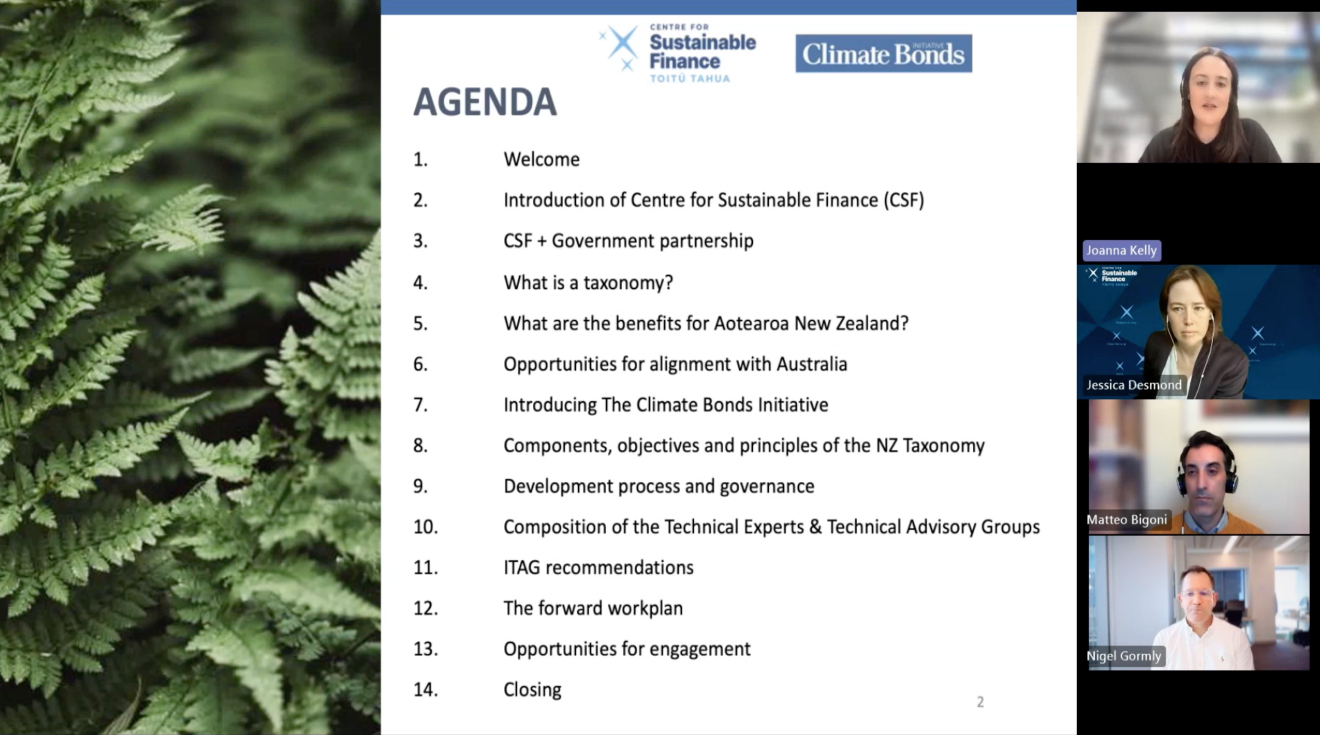
A sustainable finance taxonomy is a classification system. It defines economic activities that contribute to an environmental objective and provides consistent criteria to assess the performance of those activities.
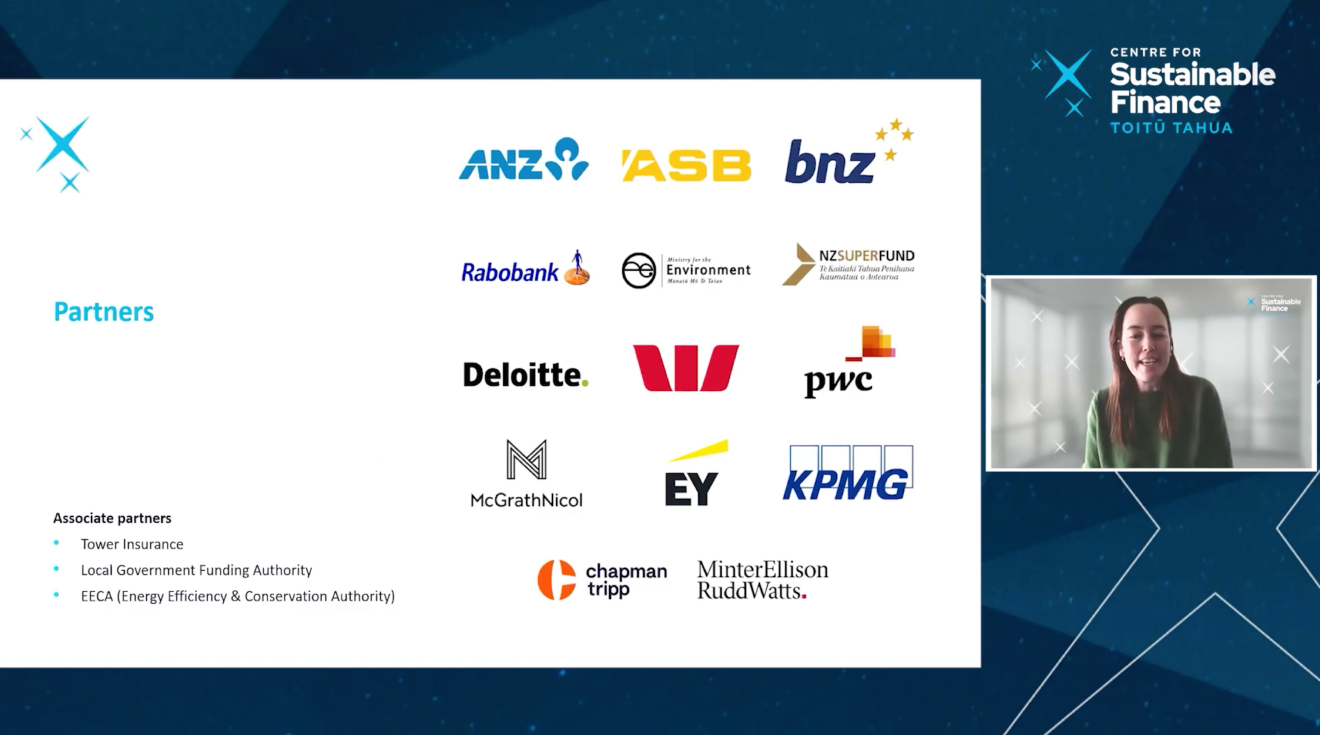
CSF, in partnership with the New Zealand Government, is working to create a sustainable finance taxonomy for Aotearoa New Zealand (the NZ Taxonomy).
The NZ Taxonomy for Agriculture and Forestry Version 1 has been published to support voluntary use by market participants. CSF will work closely with users of the taxonomy throughout 2026 to test the criteria and refine usability.
The NZ Taxonomy for agriculture and forestry Version 1 has been published to support voluntary use by market participants. CSF will work closely with users of the taxonomy throughout 2026 to test the criteria and refine usability.
By providing clear, credible and consistent criteria for environmentally sustainable activities, the NZ Taxonomy is intended to support financial market participants with capital allocation decisions that can enable New Zealand’s sustainable future.
A well-designed NZ Taxonomy is also intended to support New Zealand businesses in attracting capital, demonstrating alignment with global customer expectations, telling their sustainability stories, and enabling efficient access to global markets.
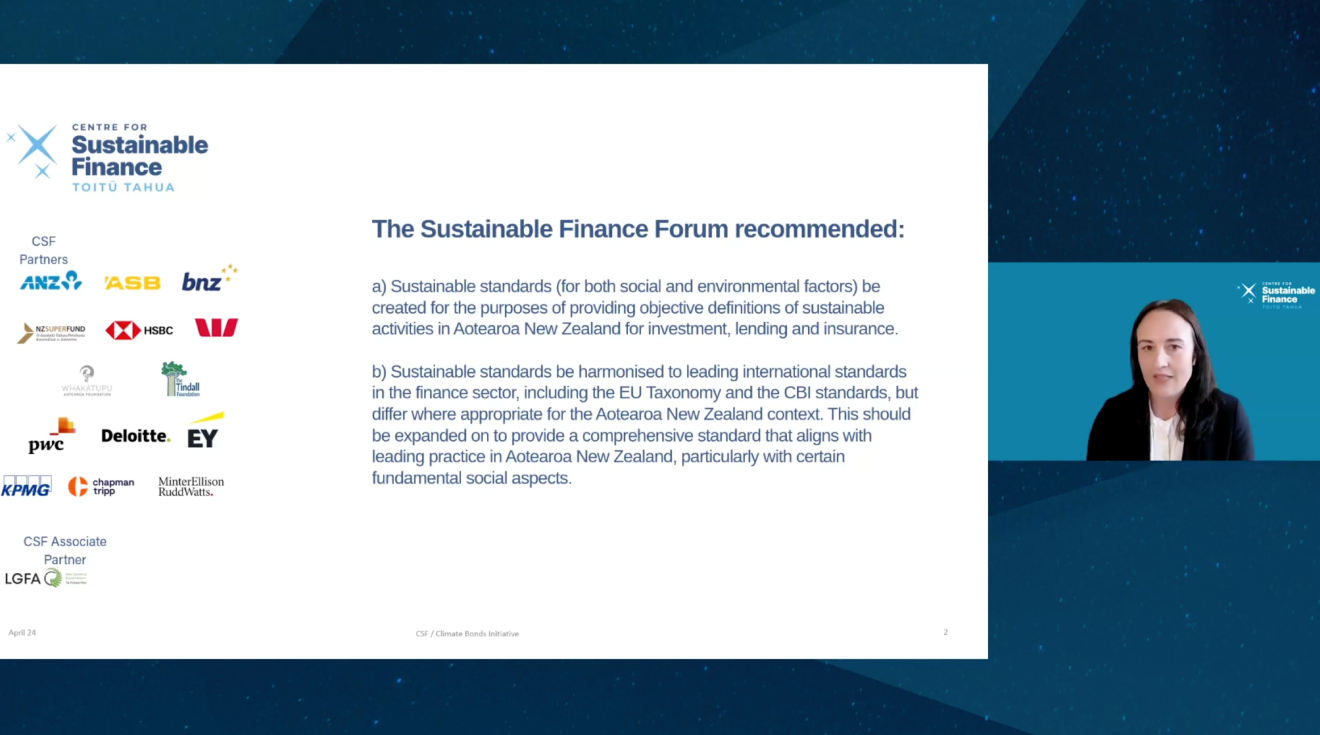
As a small and optional market in a global competition for capital, it is important that New Zealand aligns to international frameworks. Sustainable finance taxonomies are in development in more than 50 global jurisdictions. The NZ Taxonomy is being designed to be highly interoperable with benchmark taxonomies, including the EU, Australia and ASEAN taxonomies.
Read more about the purpose of the NZ Taxonomy here.
By providing clear, credible and consistent criteria for environmentally sustainable activities, the NZ Taxonomy is intended to support financial market participants with capital allocation decisions that can enable New Zealand’s sustainable future.
A well-designed NZ Taxonomy is also intended to support New Zealand businesses in attracting capital, demonstrating alignment with global customer expectations, telling their sustainability stories, and enabling efficient access to global markets.
As a small and optional market in a global competition for capital, it is important that New Zealand aligns to international frameworks. Sustainable finance taxonomies are in development in more than 50 global jurisdictions. The NZ Taxonomy is being designed to be highly interoperable with benchmark taxonomies, including the EU, Australia and ASEAN taxonomies.
Read more about the purpose of the NZ Taxonomy here.
In the early phases of this work, five sectors were identified as the most important for criteria development in the New Zealand context. The environmental objectives of climate change mitigation, adaptation, and resilience were also prioritised. The identified sectors, in no particular order, are: Agriculture and Forestry; Transport; Construction and Buildings; Energy; and Industrial Manufacturing.
At the direction of the Minister of Climate Change, work is currently under way to develop criteria for activities and measures that contribute to these objectives in three sectors:


The NZ Taxonomy has been developed through a robust process that has been established in alignment with leading international efforts in designing local taxonomies.
This process has included the involvement of a diverse range of experts, strong governance, regulatory oversight, transparency, opportunity for public input and safeguards against undue political or industry influence.
The Ministry for the Environment (MfE) has provided government oversight. The Council of Financial Regulators (CoFR) has provided a quality assurance function, reviewing the development process at each key milestone.
A Technical Expert Group (the TEG – see members below) has provided strategic direction, oversight and endorsement of the criteria.
Sector-specific Technical Advisory Groups (TAGs – see members under each sector) provide technical input relevant to each sector’s criteria.
Periods of open public consultation, along with direct engagements with a wide range of additional stakeholders – including government officials, research organisations, industry bodies, real economy participants, iwi and Māori organisations, and environmental NGOs – have further supported development.
The Climate Bonds Initiative (CBI) is the technical partner for the NZ Taxonomy development. CBI has contributed to the development of more than twenty sustainable finance taxonomies globally, including in the EU, Singapore, Brazil and Australia.
CSF provides coordination and secretariat functions for the development of the NZ Taxonomy, including coordination with the development of taxonomies in other jurisdictions internationally and particularly, with Australia.

The NZ Taxonomy has been developed through a robust process that has been established in alignment with leading international efforts in designing local taxonomies.
This process has included the involvement of a diverse range of experts, strong governance, regulatory oversight, transparency, opportunity for public input and safeguards against undue political or industry influence.
The Ministry for the Environment (MfE) has provided government oversight. The Council of Financial Regulators (CoFR) has provided a quality assurance function, reviewing the development process at each key milestone.
A Technical Expert Group (the TEG – see members below) has provided strategic direction, oversight and endorsement of the criteria.
Sector-specific Technical Advisory Groups (TAGs – see members under each sector) provide technical input relevant to each sector’s criteria.
Periods of open public consultation, along with direct engagements with a wide range of additional stakeholders, including government officials, research organisations, industry bodies, real economy participants, iwi and Māori organisations, and environmental NGOs has further supported development.
The Climate Bonds Initiative (CBI) are the technical partners for the NZ Taxonomy development. CBI have contributed to the development of more than twenty sustainable finance taxonomies globally, including in the EU, Singapore, Brazil and Australia.
CSF provides coordination and secretariat functions for the development of the NZ Taxonomy, including coordination with the development of taxonomies in other jurisdictions internationally, and particularly with Australia.
The Technical Expert Group (TEG) oversees the development of the NZ Taxonomy. It offers strategic direction, input, and endorsement of all technical taxonomy methodologies, definitions and criteria. Representing users of the NZ Taxonomy, it focuses on ensuring usability, interoperability and alignment with Ministerial direction on taxonomy design and that they are fit-for-purpose for NZ.
Co-Chairs:
Members:
Previous members:
CSF convenes Independent Technical Advisory Group (ITAG) for NZ Taxonomy, at Government invitation.
ITAG makes design recommendations to MfE and Minister of Climate Change.
TEG established. Agriculture and forestry sector criteria development begins.
Classification methodology finalised.
Energy sector criteria development begins.
NZ Taxonomy for agriculture and forestry Version 1 finalised. Access it here.
Construction and buildings sector criteria development begins.
Final NZ Taxonomy for the agriculture and forestry, energy, and construction and buildings sectors submitted for consideration for endorsement by the New Zealand Government.
Enter your name and email address to subscribe.
Financing sustainable growth in Aotearoa New Zealand.
A classification system for sustainable economic activities.
Accelerating financing solutions for affordable, abundant clean energy.
Guidance for SMEs to start sustainability reporting.
Promoting greater options for New Zealand investors